What Is a Sigil? Meaning, History & Modern Uses
A sigil is a deliberately designed mark that stands for a specific name, entity, intention, identity, or idea. Historical sigils could function as seals or occult signatures; a modern sigil may be a personal symbol, an artist's mark, or an emblem for a fantasy house or guild.
What Does “Sigil” Mean?
The simplest definition is a sign made to represent something specific. That “something” might be the name of a spirit in a historical manuscript, a private intention, a fictional dynasty, or a creative identity. The drawing does not need to look like the thing it represents. In fact, many sigils work visually because they compress the source idea until it becomes an unfamiliar, memorable shape.
The English word has more than one layer. Dictionaries preserve its older meaning of a seal or signet, as well as its later association with ritual magic. The word comes from the Latin sigillum, meaning a small sign or seal. That history explains why identity, authority, secrecy, and intention all gather around the modern use of “sigil.”
Not every mysterious glyph is a sigil. A decorative knot, alphabet character, or geometric icon may simply be a symbol. What makes a mark a sigil is its relationship to a particular referent or purpose inside a known context.
One Word, Three Sigil Traditions
Many quick explanations jump directly from “seal” to today's personal intention sigils. The missing middle matters. Treating these three lineages separately makes the history easier to understand and prevents every old magical diagram from being mislabelled as the same practice.
Seal and signet
The word reaches English through Latin sigillum, a small seal or sign. In this older sense, the mark authenticates, identifies, or stands in for a person or authority.
Occult signature
Medieval and early modern ritual manuscripts use distinctive figures as names, seals, or signatures for spiritual beings and planetary forces inside a specific system.
Personal intention mark
Modern practitioners often create a new abstract mark for one intention or idea. The meaning is assigned during creation rather than inherited from a universal dictionary.
Historical seals and occult signatures
Collections preserve complex marks in manuscripts on ritual magic, alchemy, astrology, amulets, and related subjects. The Wellcome Collection's sigil catalogue points to works dating from the fourteenth century onward. The British Library describes a ritual-magic manuscript copied around 1600 that contains magical diagrams, circles, squares, pentacles, and instructions for ritual practice. These marks belonged to particular texts and systems; they were not a single universal alphabet.
The modern personal sigil
In the early twentieth century, English artist and occultist Austin Osman Spare developed an influential personal approach. He described sigils as “monograms of thought” and combined simplified letters into new forms. His 1913 Book of Pleasure helped shape later chaos-magic practice. A University of Kent study of Spare's artist books places that text within his broader visual and mystical work rather than treating the letter method as a timeless ancient formula.
That distinction is important: the familiar exercise of writing an intention, reducing its letters, and combining them into a glyph is modern. It is one sigil-making method, not the definition of every sigil in history.
What Does a Sigil Look Like?
A sigil has no required outline. It can be angular or curved, dense or spare, symmetrical or deliberately unbalanced. Some reveal traces of letters. Others use circles, crossings, eyes, stars, plant forms, tools, animals, or entirely abstract geometry. A good silhouette matters more than ornamental complexity.
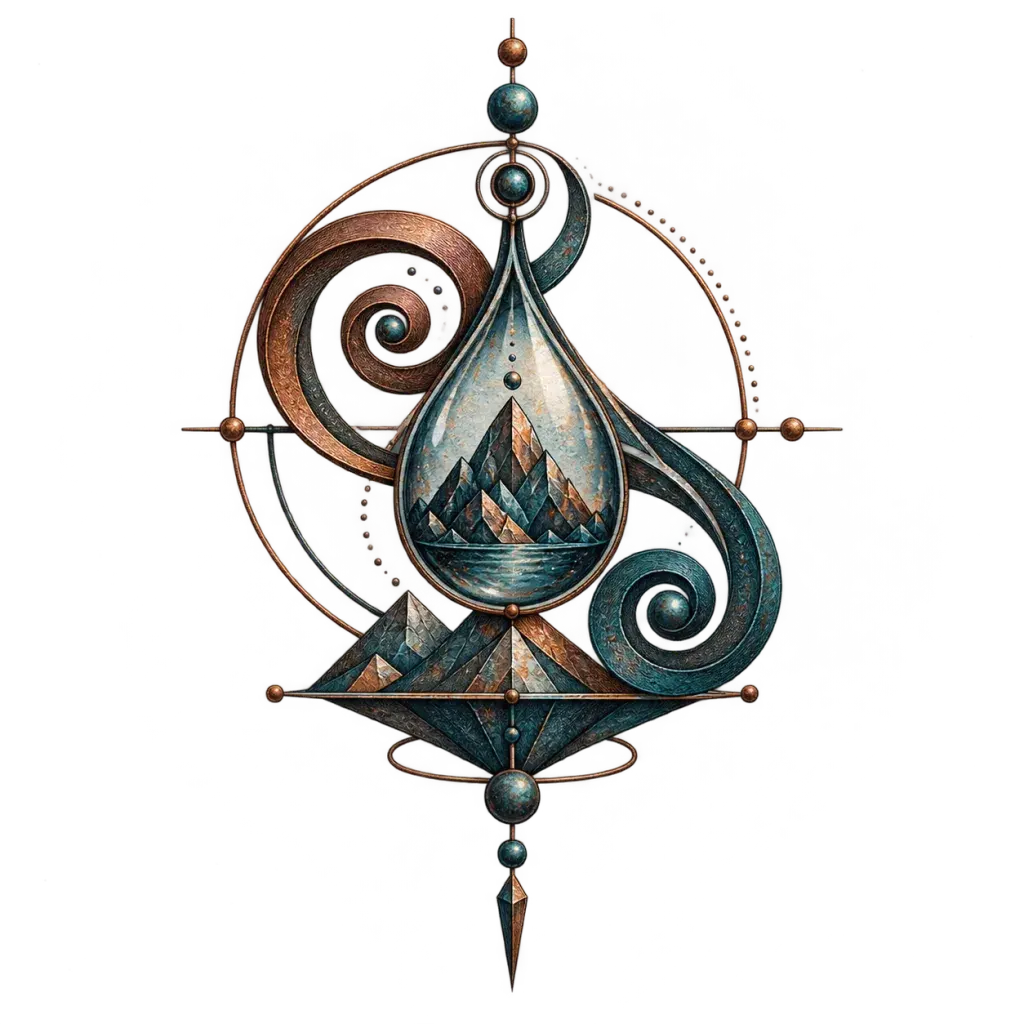
- MeaningThe name, intention, identity, or story the mark represents.
- MotifThe main recognizable cue, such as an eye, branch, star, flame, or tool.
- GeometryThe circles, axes, mirrored lines, intersections, and negative space that hold it together.
- FinishThe ink, engraving, metal, stamp, painted, or clean digital treatment that sets the mood.
This four-part model is useful even when a sigil begins with letters. The letters provide raw material, but visual hierarchy turns that material into a mark someone can recognize again.
Sigil vs. Symbol, Rune, Seal, Logo, and Coat of Arms
These terms overlap because all of them can identify or represent something. Their difference is not simply appearance; it is where the meaning comes from and how the mark is used.
| Term | What it is | Where meaning comes from | Typical example |
|---|---|---|---|
| Symbol | Any mark that communicates meaning | Often shared by a culture or audience | A heart, arrow, warning sign, or religious symbol |
| Sigil | A designed mark tied to a specific referent or purpose | A manuscript, tradition, creator, group, or fictional world | A spirit seal, personal intention mark, or fantasy house sign |
| Rune | A character from a historical runic writing system | A language and its inscriptions; sometimes later symbolic use | A letter from the Elder Futhark or another runic alphabet |
| Seal | A device or impression used to authenticate or close | An individual, office, institution, or document | A wax seal, signet impression, or official seal |
| Logo | A repeatable identifier for a brand or organization | Public recognition and commercial identity | A company wordmark or brand icon |
| Coat of arms | A structured heraldic design centered on a shield | A bearer, family line, institution, or jurisdiction | A shield with tinctures and charges, sometimes with a crest and supporters |
A rune is not just a “magical-looking line.” It is first a character in a historical writing system. A coat of arms is not merely any family symbol; it follows heraldic composition and, in many jurisdictions, belongs to a particular bearer. A sigil is more flexible, but that flexibility does not erase the history of symbols borrowed from living religions or established cultures.
Do Sigils Have Fixed Meanings?
There is no universal sigil dictionary that can decode every mark. A documented historical sigil may have a conventional meaning inside one manuscript or magical system. A personal sigil may be intentionally private. A fantasy sigil means whatever the author's world establishes. Looking at the lines alone is rarely enough.
This is why lists titled “sigils and their meanings” need context. If a page shows a named historical symbol, ask where it was recorded and which version is being reproduced. If the symbol is modern, ask who created it and what brief they used. Two people can design very different sigils for courage, home, or renewal without either mark becoming the universal symbol for that idea.
What Are Sigils Used For Today?
Sigils still appear in occult and spiritual practice, but that is not their only contemporary setting. Artists, writers, game masters, tattoo clients, and worldbuilders also use the word for original marks that encode a character, group, project, or private idea.
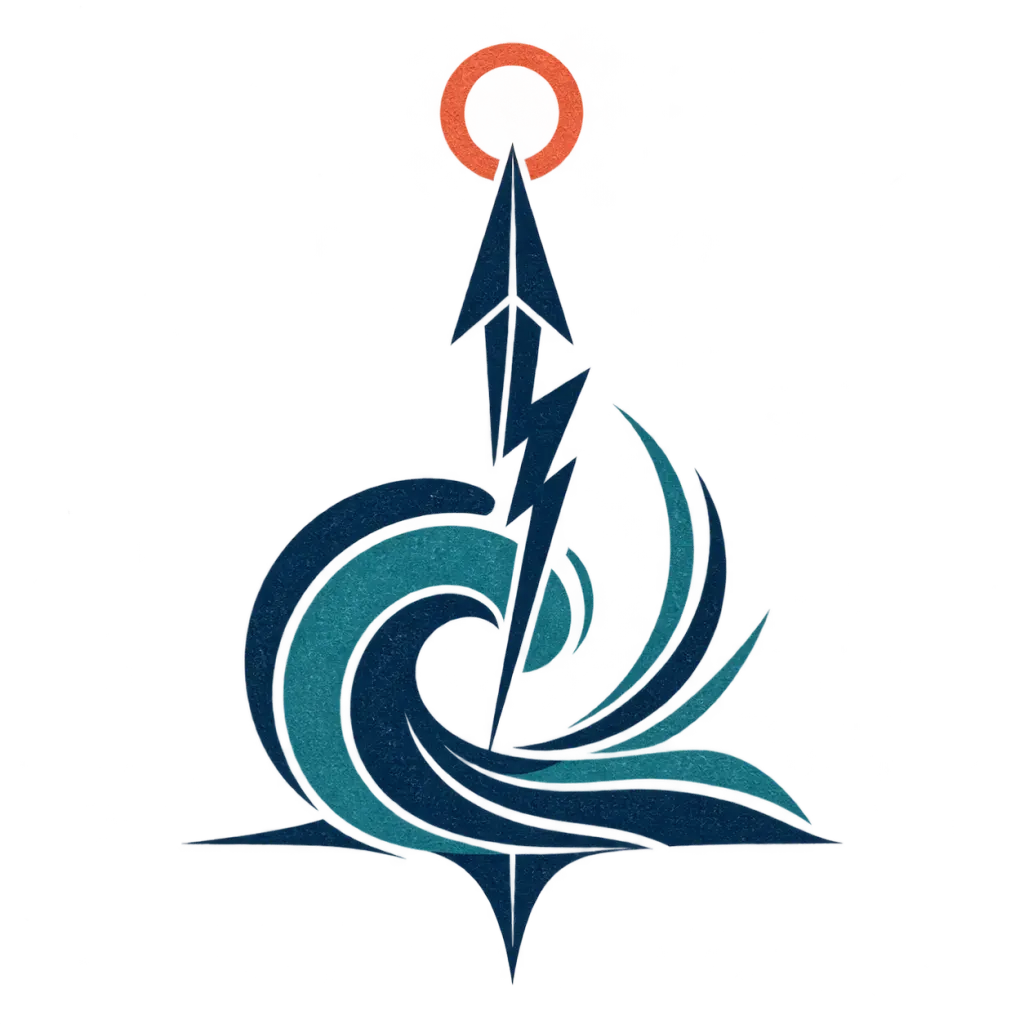
Personal meaning
One idea becomes a compact mark whose meaning may be known only to its creator.
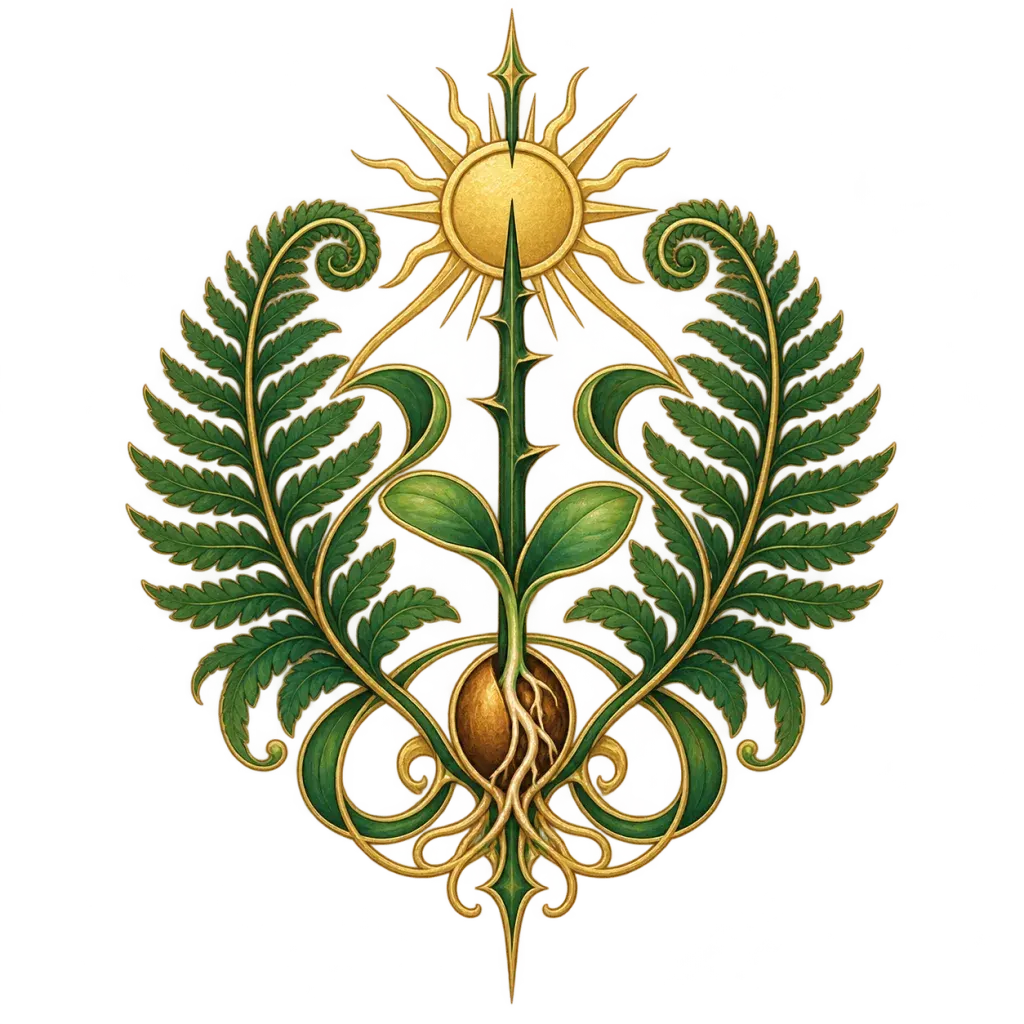
Creative identity
A recurring motif can identify a body of work without behaving like a conventional wordmark.
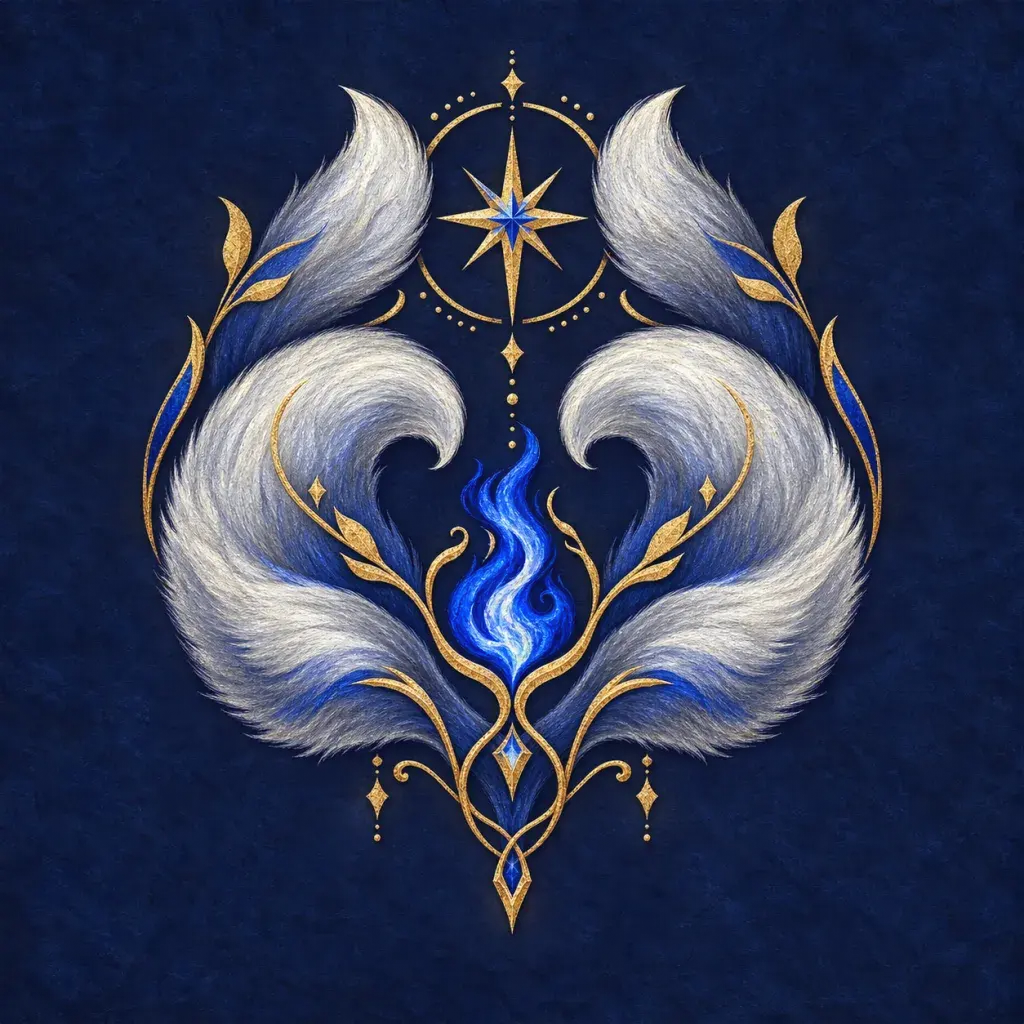
Fantasy house
A fictional family, territory, or character can use a distinctive sign that belongs to the invented setting.
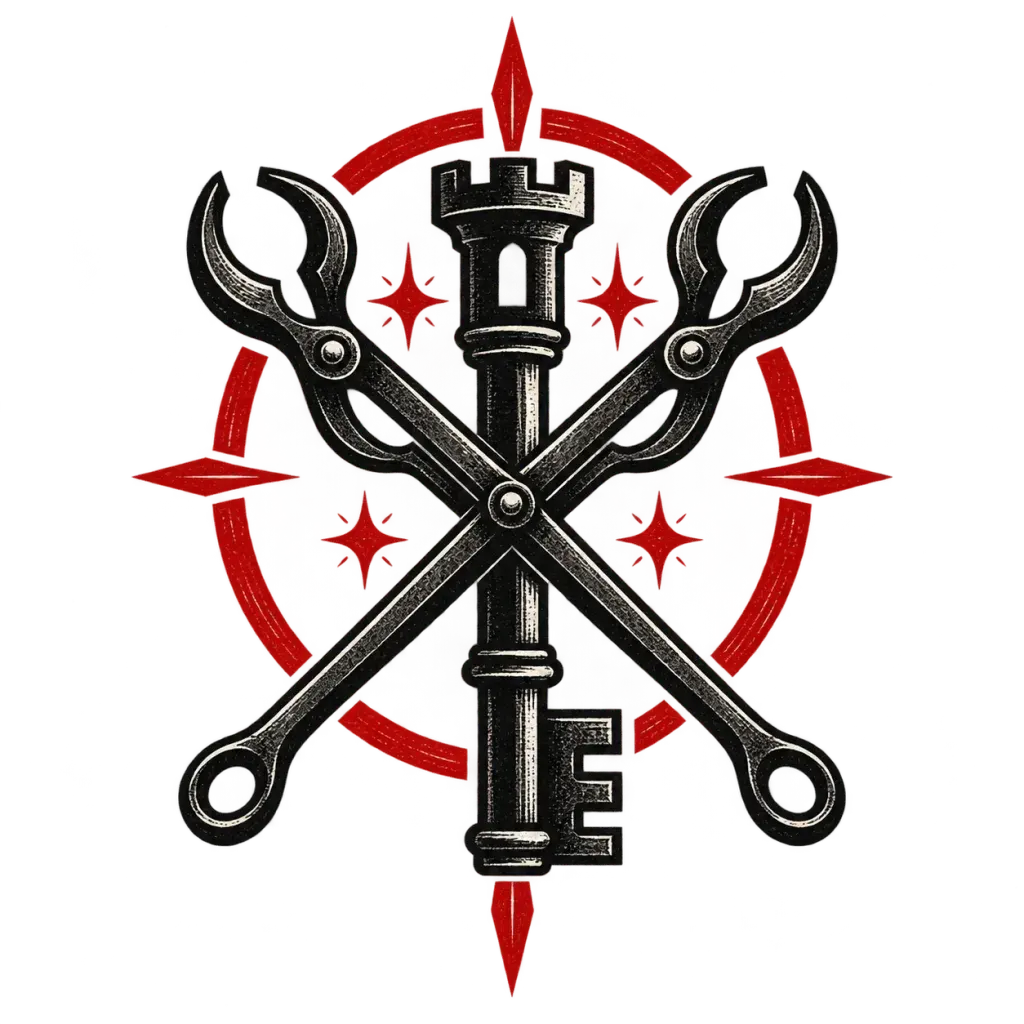
Guild or faction
A guild mark can compress a trade, allegiance, and visual mood into one recognizable silhouette.
A tattoo concept needs extra care because the final mark is permanent. Check the source of any borrowed form, test how the design reads at the intended size, and have a professional tattoo artist redraw it for skin. For fictional or commercial work, search for confusingly similar marks before treating a generated concept as a final identity.
What Is Sigil Magic—and Do Sigils “Work”?
Sigil magic is a family of practices in which a graphic mark is created, selected, or used for a ritual purpose. Methods vary widely. Some traditions work with inherited seals; modern personal systems may begin with a written intention and transform it into an abstract form.
Claims that a sigil causes external events belong to belief and practice, not established scientific evidence. A graphic mark can still have an ordinary, observable role: it can record an intention, identify a group, prompt reflection, support a creative ritual, or give a fictional culture a recognizable visual language. This article describes those uses without promising supernatural results.
The word also does not make a symbol inherently evil, dangerous, or demonic. Context matters. Some historical sigils name spiritual beings; other marks are private abstractions, art, or fantasy emblems with no religious claim.
How Is a Personal or Fantasy Sigil Created?
Begin with one precise referent. “A mark for the Northglass cartographers' guild” is more useful than “something mystical.” Choose one main motif, decide how the geometry should behave, and name the finish. That produces a brief a designer—or an AI image tool—can interpret visually.
- State the purpose. Name the person, intention, house, guild, or project the sigil represents.
- Choose one motif. Use a star, key, branch, flame, animal, tool, or abstract motion as the visual anchor.
- Choose the geometry. Ask for radial, mirrored, circular, interlocking, ascending, or sharply angular construction.
- Choose the finish. Specify black ink, engraved metal, wax stamp, carved stone, clean vector-like linework, or another material mood.
- Refine the silhouette. Remove details until the mark remains distinct at thumbnail size.
Can AI Help Create a Sigil?
Yes—when AI is used as a visual exploration tool rather than as the source of the sigil's meaning. You still decide what the mark represents. Give the model a focused brief: state the purpose, choose one main motif, describe the geometry, limit the palette, and name the finish. For example: “An original sigil for patient curiosity, built from a crescent and three seed-like dots, with balanced orbital arcs, cobalt and antique copper, rendered as crisp engraved linework.” This directs the composition without asking the model to copy an existing symbol.
This approach differs from deterministic systems that remove repeated letters or plot letters on a witch's wheel or magic square. An image model interprets language and produces a visual direction; it does not perform a ritual or preserve a hidden one-to-one letter construction. It is most useful for exploring personal marks, fictional houses, guilds, characters, and worldbuilding concepts, especially when you want to compare several silhouettes or finishes quickly.
Review the result before using it. Check that it still reads at a small size and does not closely resemble a religious, historical, official, or commercial mark. A tattoo artist should adapt permanent artwork, and commercial identities need an independent similarity and rights check. Our AI Sigil Maker follows this prompt-based approach, creating original raster artwork from meaning, motif, geometry, color, and finish; it does not automatically perform letter reduction or produce editable SVG paths.
Frequently Asked Questions About Sigils
What is a sigil in simple terms?
A sigil is a deliberately designed mark that represents a particular name, entity, intention, identity, or idea. Some sigils belong to historical occult systems, while others are personal symbols or fictional emblems created for art and worldbuilding.
Is a sigil the same as a symbol?
Every sigil is a symbol, but not every symbol is a sigil. A symbol can carry a broad shared meaning, while a sigil is usually tied to a specific referent or purpose within a particular tradition, story, or personal design.
Is a sigil the same as a rune?
No. A rune is a character from a historical runic alphabet, although runes can also be used symbolically. A sigil is a composed mark and does not belong to a standard alphabet unless its creator intentionally builds it from letters or runes.
Are sigils demonic?
The word sigil is not automatically demonic or tied to one religion. Some historical grimoires include sigils associated with named spirits, but modern personal sigils, fantasy house marks, guild emblems, and artistic symbols can have entirely different contexts.
Do sigils have fixed meanings?
Some historical sigils have a documented meaning inside a particular manuscript or tradition. A personal sigil usually has no universal definition: its meaning comes from the brief, intention, name, or story used to create it.
Can anyone create their own sigil?
Yes. You can create an original sigil for personal reflection, art, a fictional house, a guild, or another creative project. Avoid copying a living religious symbol, an official emblem, a trademark, or someone else's established design.
What does the AI Sigil Maker create?
It turns a written visual brief into original PNG artwork with a motif, geometry, colors, and finish. It does not perform a ritual, promise a supernatural result, or automatically follow a deterministic letter-reduction, magic-square, or witch's-wheel system.
Where to Verify the History
- Dictionary.com: sigil definition and word origin
- Wellcome Collection: manuscripts and works catalogued under “Sigils”
- British Library: Harley MS 2267, a ritual-magic manuscript
- University of Kent: Austin Osman Spare's artist books, 1905–1927
- UC San Diego: a visual explanation of a modern letter-based sigil method